


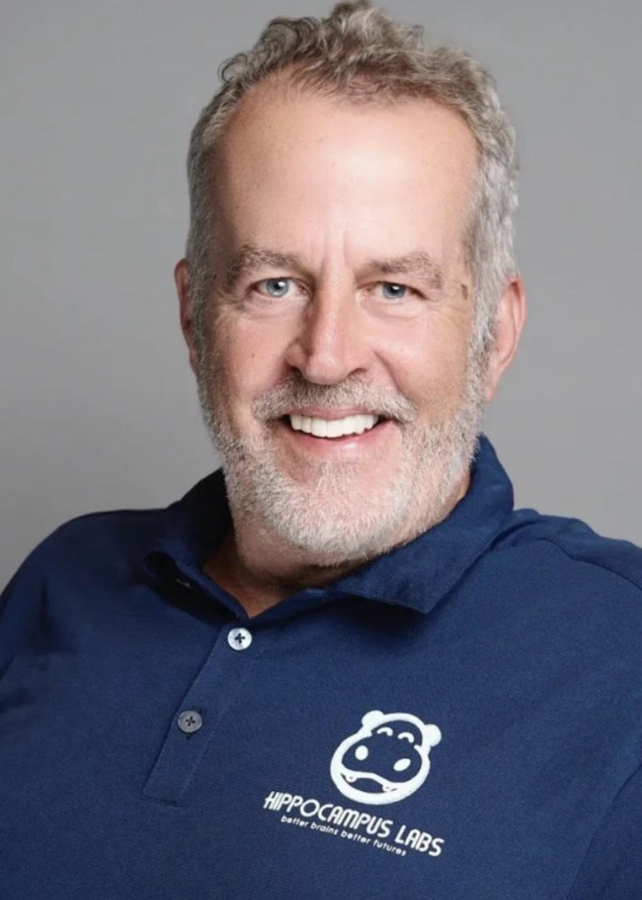
As March highlights various health awareness campaigns, one that continues to gain national importance is Brain Injury Awareness Month. The observance shines a spotlight on brain injuries—conditions that affect millions of Americans each year but often remain unseen and misunderstood.
According to neurotechnology specialist Dr. Kevin Butterfield, brain injuries can happen in everyday situations, from weekend athletes experiencing concussions to older adults suffering slip-and-fall accidents. While the effects may not always be visible, they can have lasting impacts on cognitive function, emotional health, and overall quality of life.
Butterfield notes that an estimated 4 million Americans sustain a brain injury each year, though the true number may be higher due to underreporting. These injuries range from mild concussions to more severe traumatic brain injuries (TBIs). Even when medical scans appear normal and physical wounds have healed, many individuals continue to experience lingering symptoms.

“Healing is not the same as recovery,” Butterfield said, emphasizing that many patients struggle long after the initial injury.
People recovering from concussions frequently report symptoms such as brain fog, irritability or emotional swings, sleep disruption, cognitive fatigue, and difficulty concentrating under stress. Butterfield explains that these issues often stem from functional and electrical dysregulation in the brain, meaning neural networks may not be communicating efficiently even when structural imaging shows no visible damage.
Advancements in neuroscience are providing new tools to help identify and address these issues. One emerging method is qEEG brain mapping, a technology that measures real-time electrical activity in the brain. According to Butterfield, this method can help identify slowed networks, overly reactive regions, and connectivity problems that traditional imaging may miss. For many patients, it provides the first objective explanation for symptoms that persist after a concussion.
Another growing tool in brain recovery is EEG neurofeedback, which trains the brain to regulate its activity more efficiently. Butterfield says the approach can help improve cognitive endurance, emotional balance, stress tolerance, and sleep patterns without medication and without masking symptoms.
Brain Injury Awareness Month also highlights the importance of recognizing that many survivors “look fine” while still struggling internally. Increased awareness can encourage early evaluation, reduce stigma, and connect families with evidence-based rehabilitation options that have developed rapidly in recent years.

Butterfield, co-founder of the neuroscience company Hippocampus Labs, works with healthcare practitioners to implement individualized neurofeedback programs using qEEG brain mapping and evidence-informed protocols. His work focuses on improving cognitive health, supporting concussion recovery, and advancing brain-based care in clinical and high-performance environments. He also hosts monthly webinars nationwide and works with professional athletes, including NASCAR and IndyCar drivers, to provide concussion detection, mitigation strategies, and peak performance brain training.
For those experiencing lingering symptoms after a brain injury, Butterfield says the message of Brain Injury Awareness Month is clear: “Help exists, recovery is possible, and the brain can change.”
Discover more from Whitewater Valley Voice
Subscribe to get the latest posts sent to your email.